Lazarus' Forest
Lazarus’ Forest is BLI’s hub for forest conservation and regeneration.
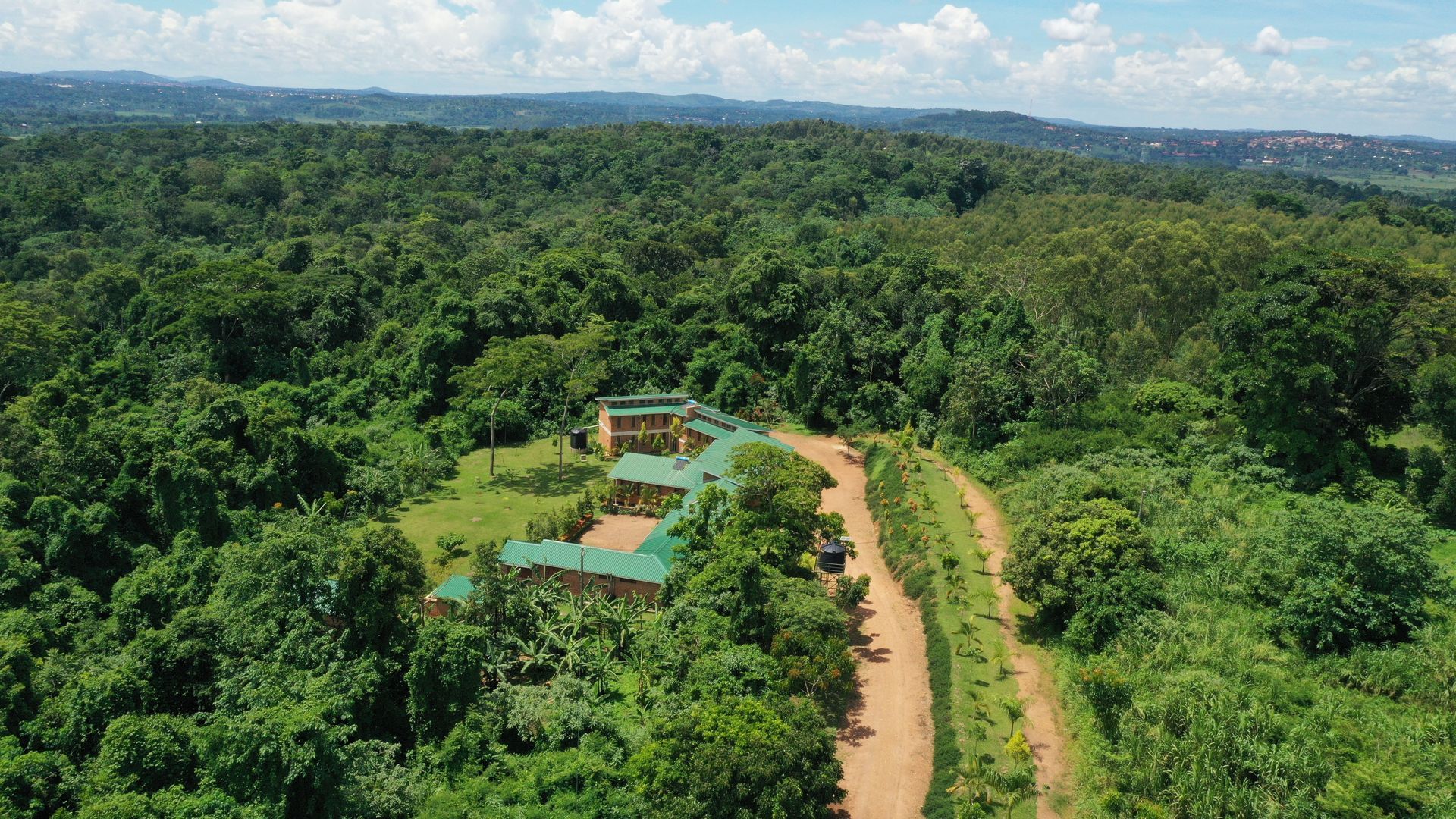
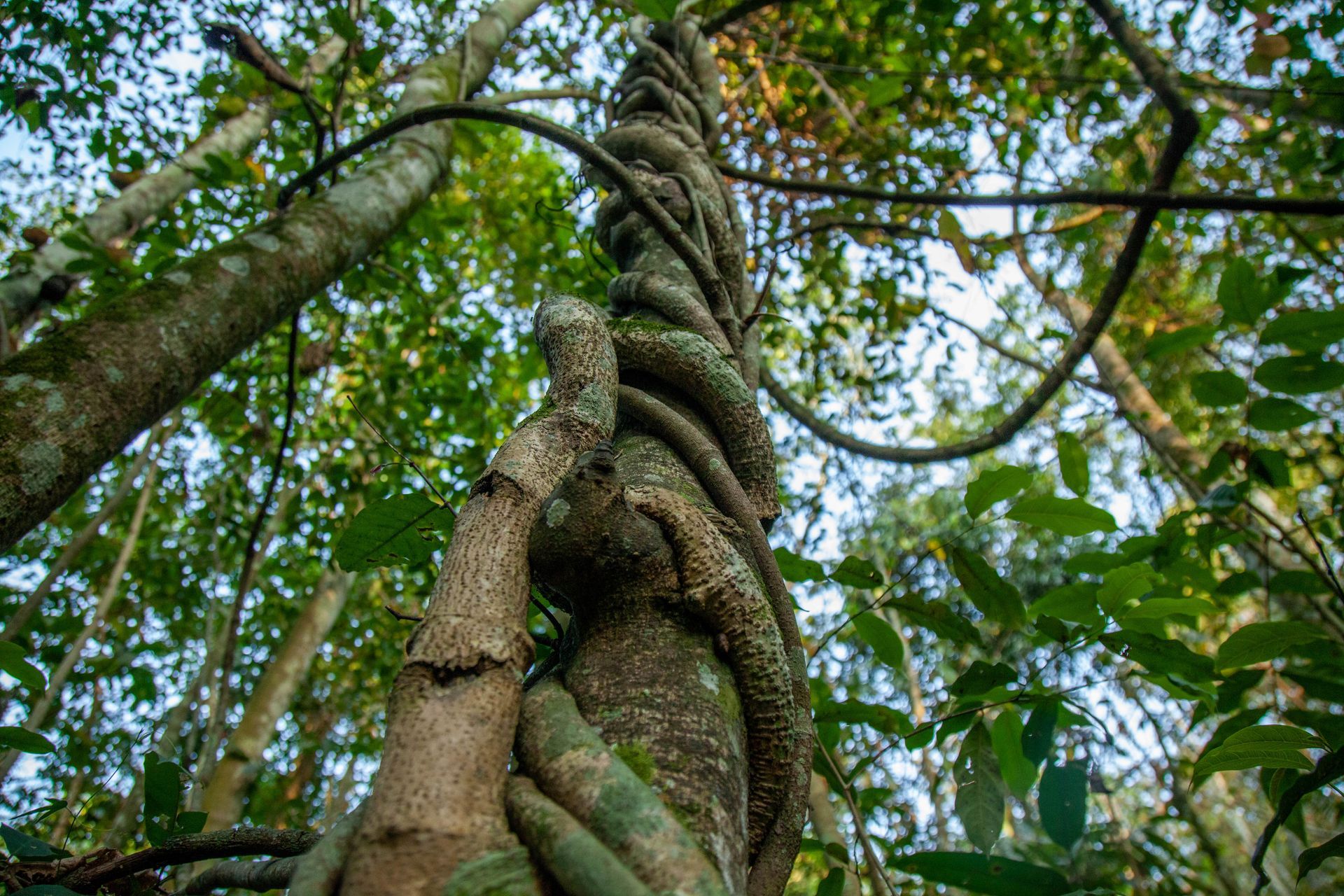
Today, Lazarus' Forest thrives as the Luweero District’s last remaining natural rainforest and one of the largest in all of Uganda. Over the past century, Uganda has lost nearly half of its forests due to deforestation. This has resulted in massive biodiversity loss and an economy that forces young people into jobs that exploit––rather than grow and preserve––Uganda's rich natural resources.
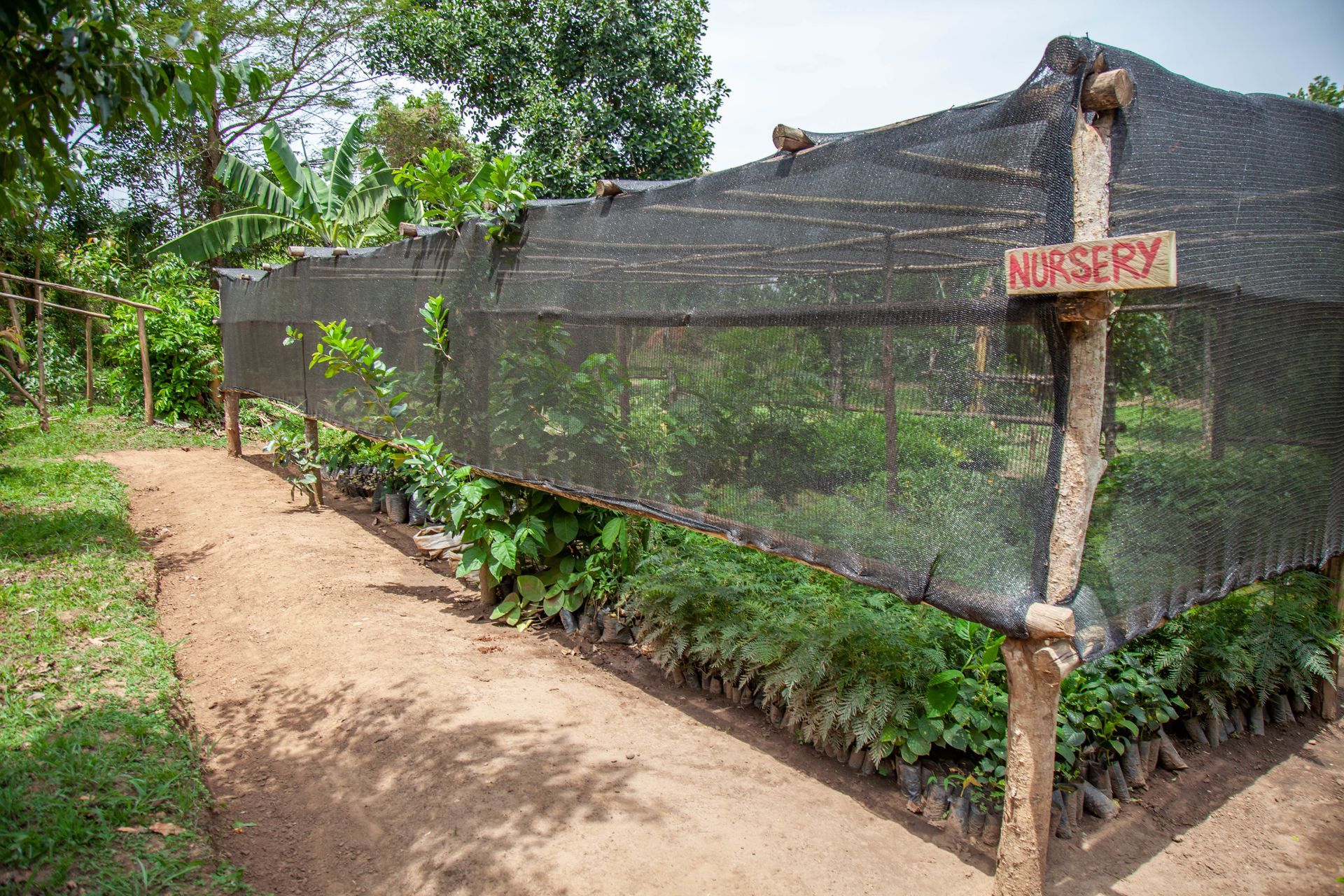
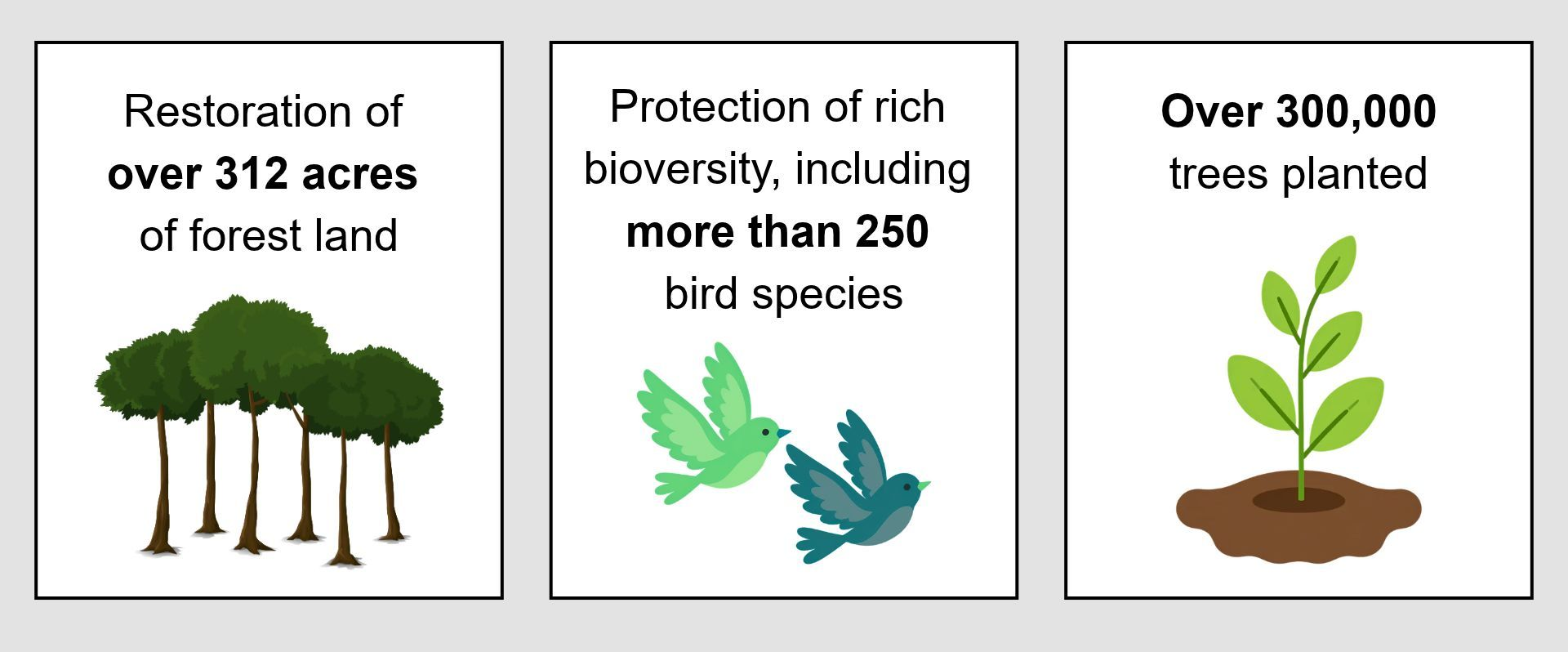
BLI's Lazarus' Forest demonstrates a new path forward. Focusing on sustainable growth for lasting impact, BLI will plant one million trees in the forest by 2050. To ensure healthy growth and maintenance, each new tree is meticulously chosen for maximizing synergies in the forest ecosystem. The majority of new seedlings and saplings are propagated on campus from existing Lazarus' trees and grown with delicate care in our nursery.
What has Lazarus' Forest accomplished in its first five years?
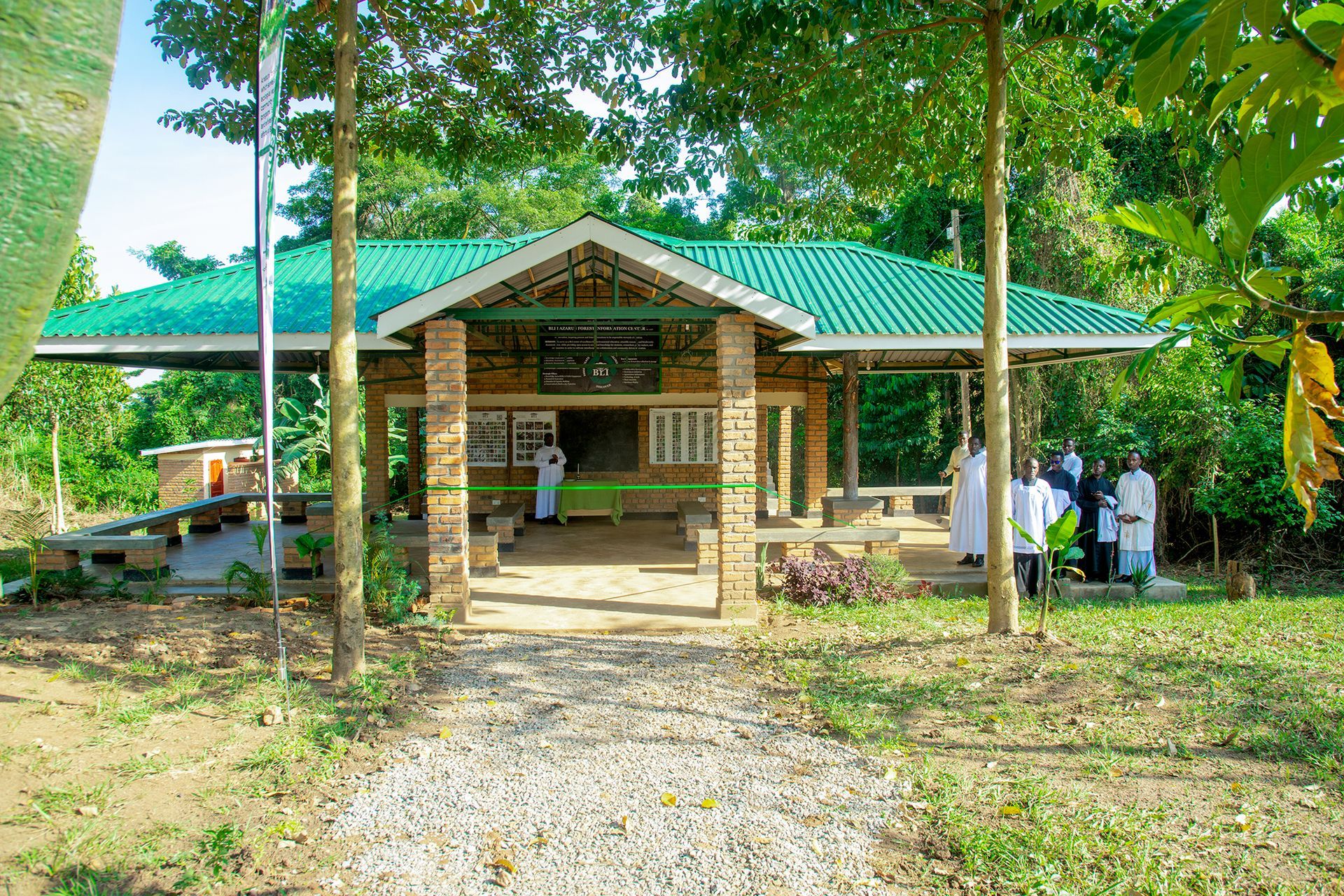
A Global Research & Innovation Center
The Lazarus’ Forest Information Center is the epicenter of research and innovation initiatives at BLI. The center serves as a vibrant community hub for ecological research, environmental education, and biodiversity conservation; hosts data management technology and specialized forestry equipment for research projects; and provides a community space for locals, students, researchers, and policy makers to engage in interdisciplinary collaboration and community-driven innovation.
Due to BLI's place as a leader in reforestation efforts and research, it was selected to present its work at COP29, the United Nations' 2024 Climate Change Conference. We look forward to continuing to collaborate with individuals around the globe. Any researchers interested in visiting our campus can reach out to
info@bethanylandinstitute.org.
A Trusted Community Institution
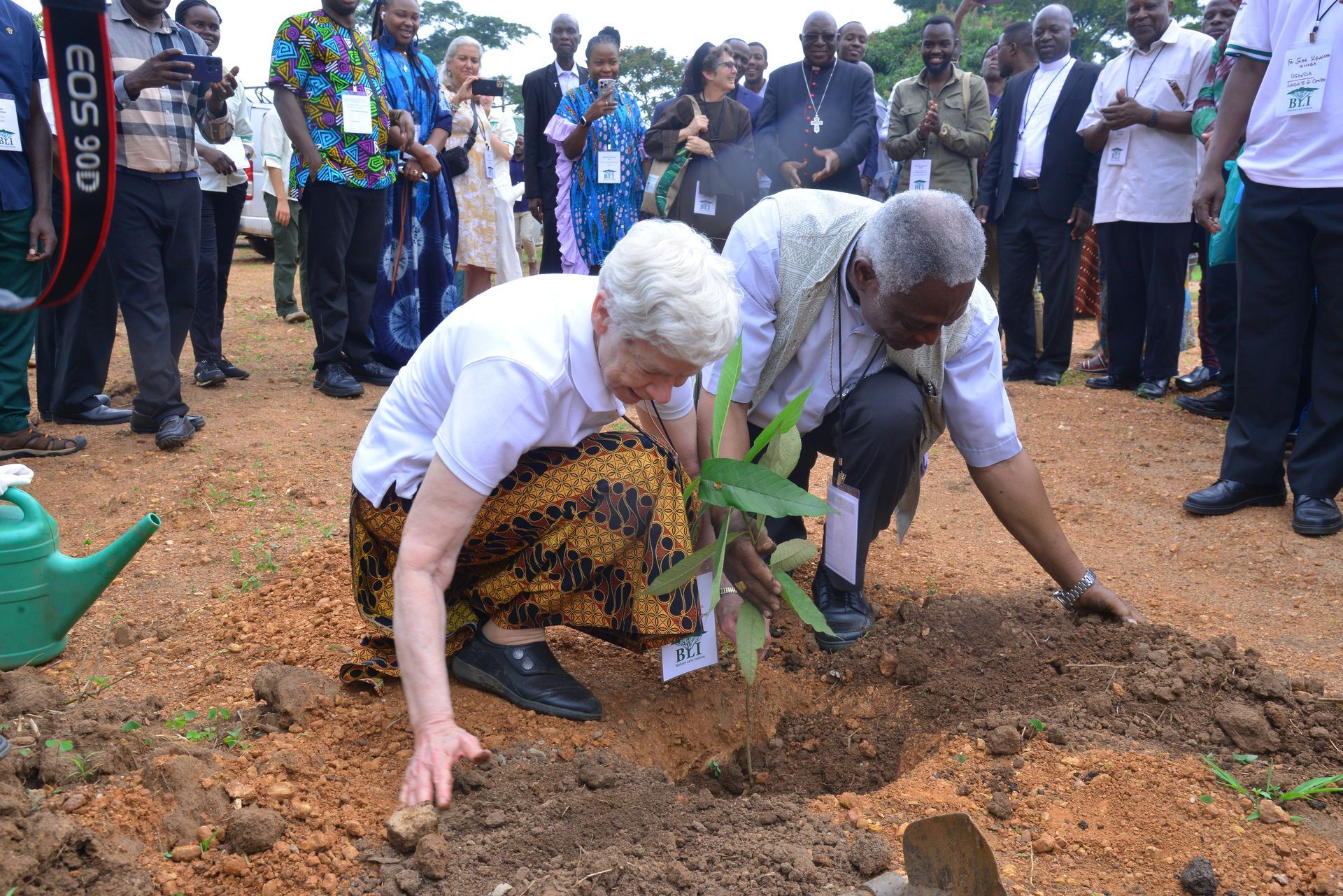
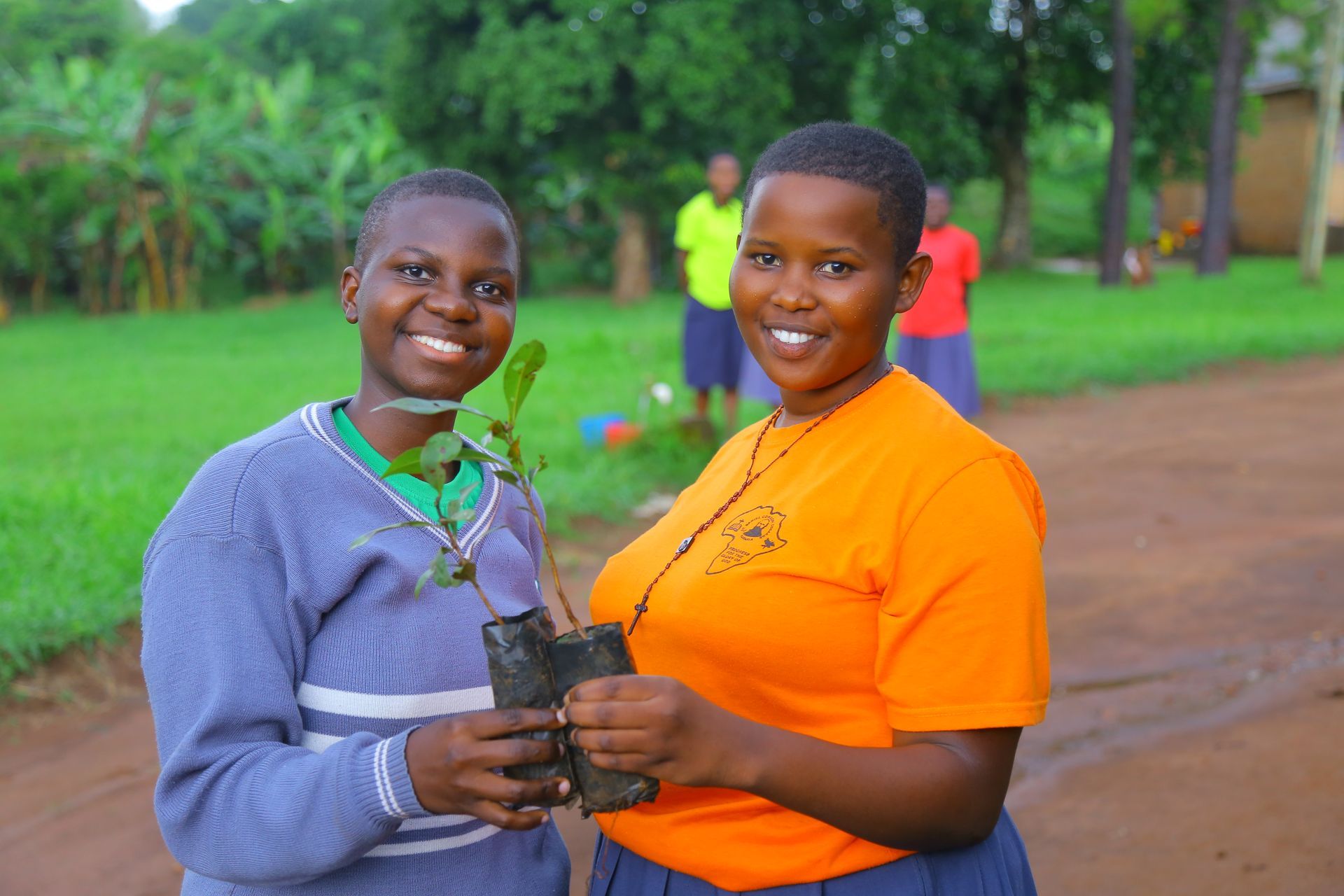
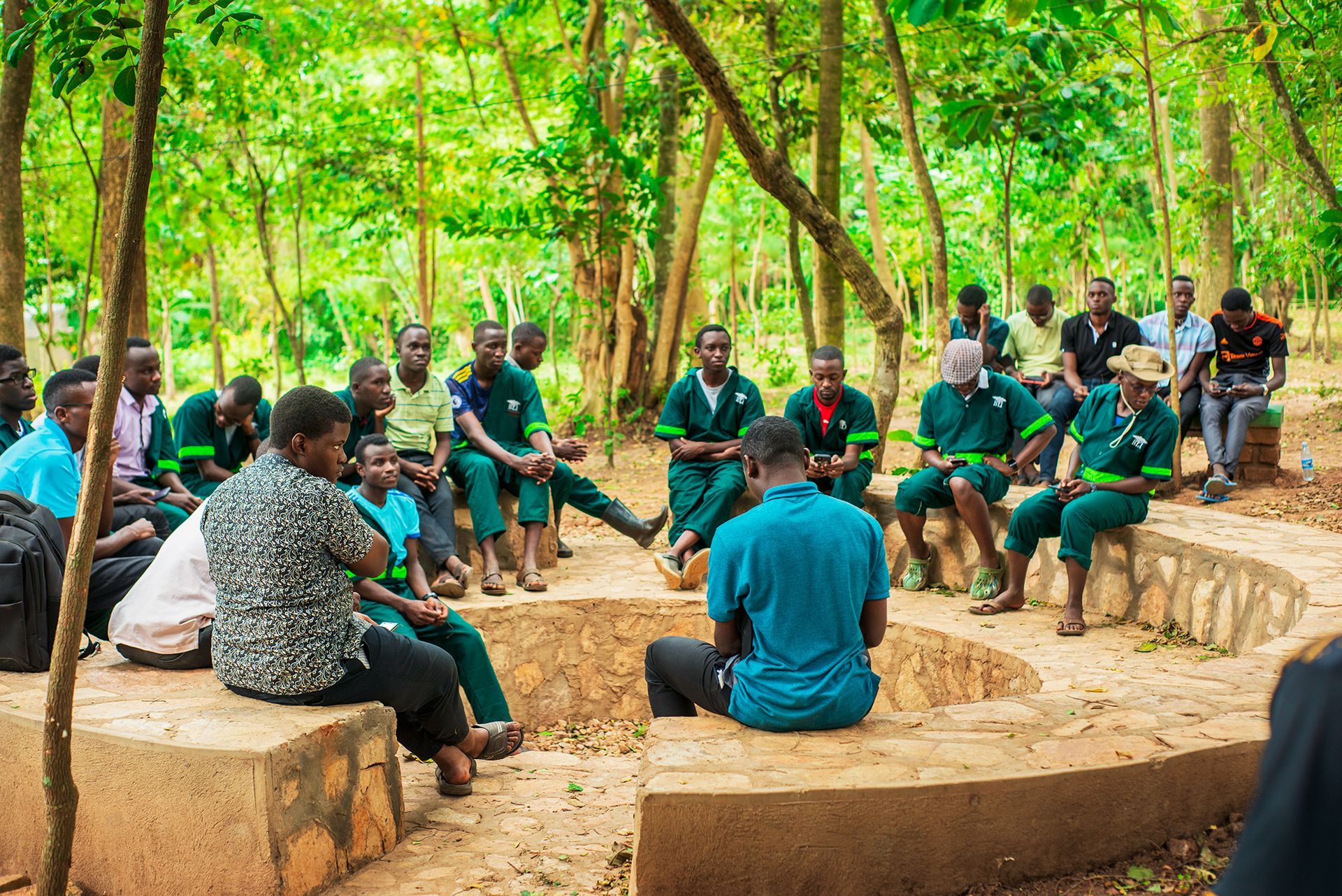
Lazarus’ Forest works closely with the BLI community engagement team to provide the local community with a trusted resource and learning center: local community members can request support from the Lazarus’ Forest team to build their own tree nurseries and propagate trees for planting; tree seedlings and saplings are provided to BLI’s farming groups and Laudato Si’ Clubs across Uganda; and special occasions are marked with tree plantings.
This model reflects BLI’s goal to conserve Lazarus’ Forest as a co-managed community resource, maintaining its strong presence in Nandere Parish while preventing the overcultivation of the past. BLI has witnessed Lazarus' Forest once again become a truly renewable resource, with every replanting and conservation effort helping the forest return to its sacred biology.
You can plant a tree at BLI for yourself, for your family, or to honor someone you know. Reach out to
info@bethanylandinstitute.org
to learn more about how you can plant your very own BLI tree and receive updates about your tree’s growth over time.