Our Story
Our Founding
BLI was founded by three priests and friends––Father Emmanuel Katongole, Father Anthony Zachary Rweza, and Father Cornelius Ssempala––as a response to the challenges of poverty, food insecurity, and environmental degradation. All three founders grew up in rural Uganda and were searching for solutions to the concerns facing their communities. When Pope Francis penned Laudato Si'––an encyclical letter calling on all people to protect each other and the environment––in 2015, the founders immediately knew that Laudato Si' should serve as BLI's guiding light.
That very year, the founders obtained around 90 acres of land to serve as a training institute and demonstration farm for Integral Ecology, enabling their vision to come to life. Today, BLI sits on over 400 acres of land and serves as a regional hub for learning about regenerative agriculture and sustainable livlihoods.
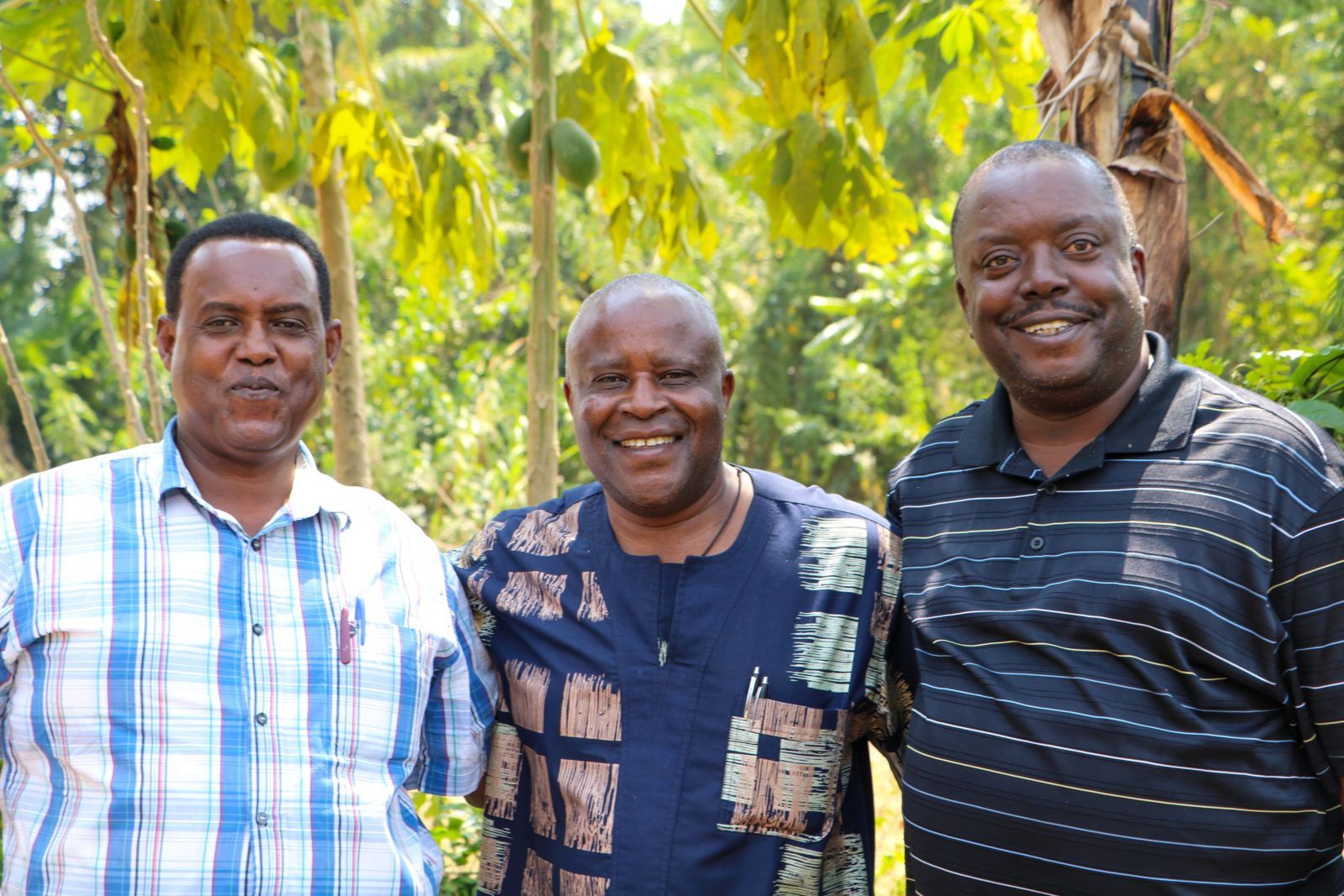
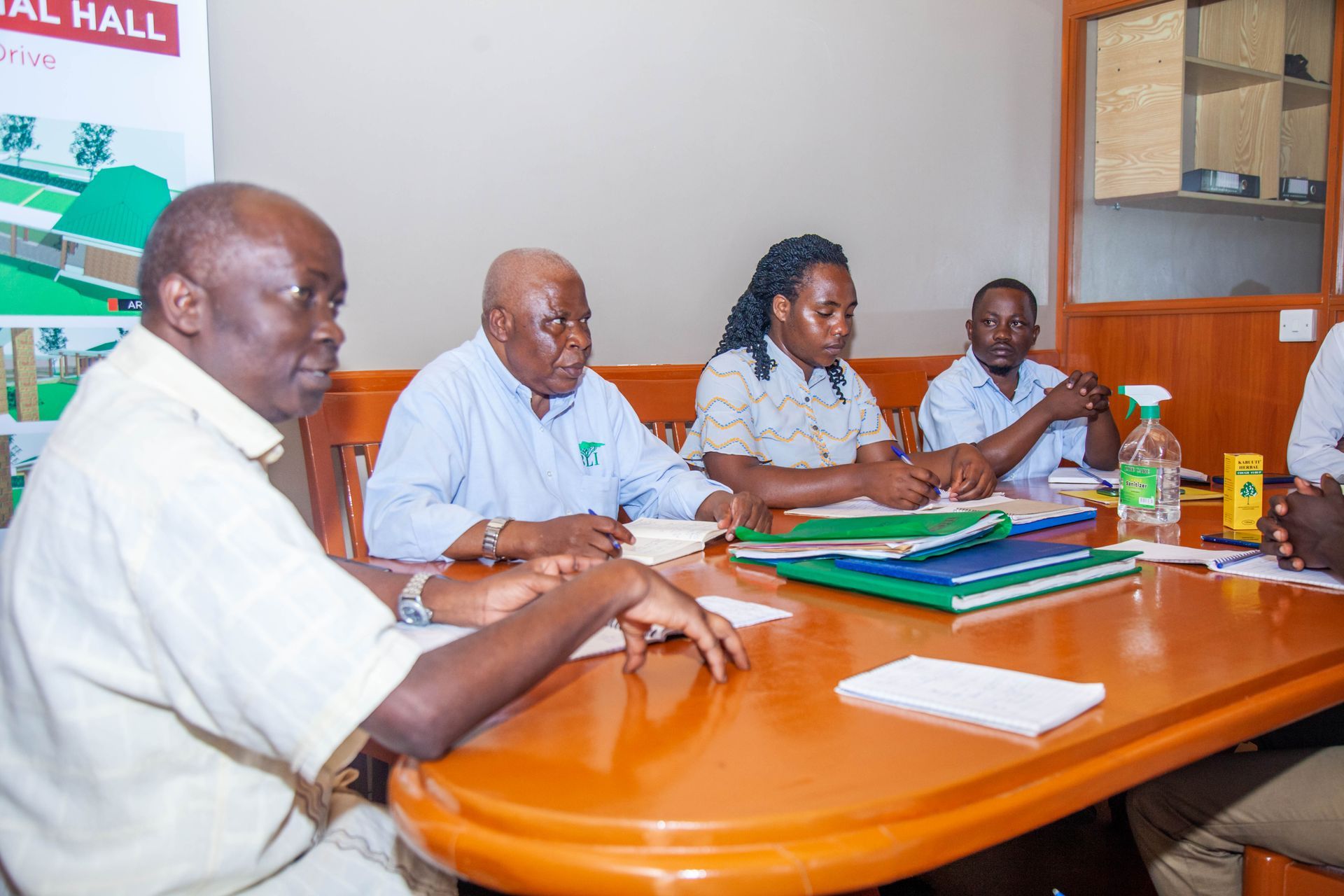
“This is not just about restoring the land. It’s about restoring lives, restoring dignity, and restoring our sense of responsibility to each other—and to our common home.” Co-Founder & President Father Emmanuel Katongole
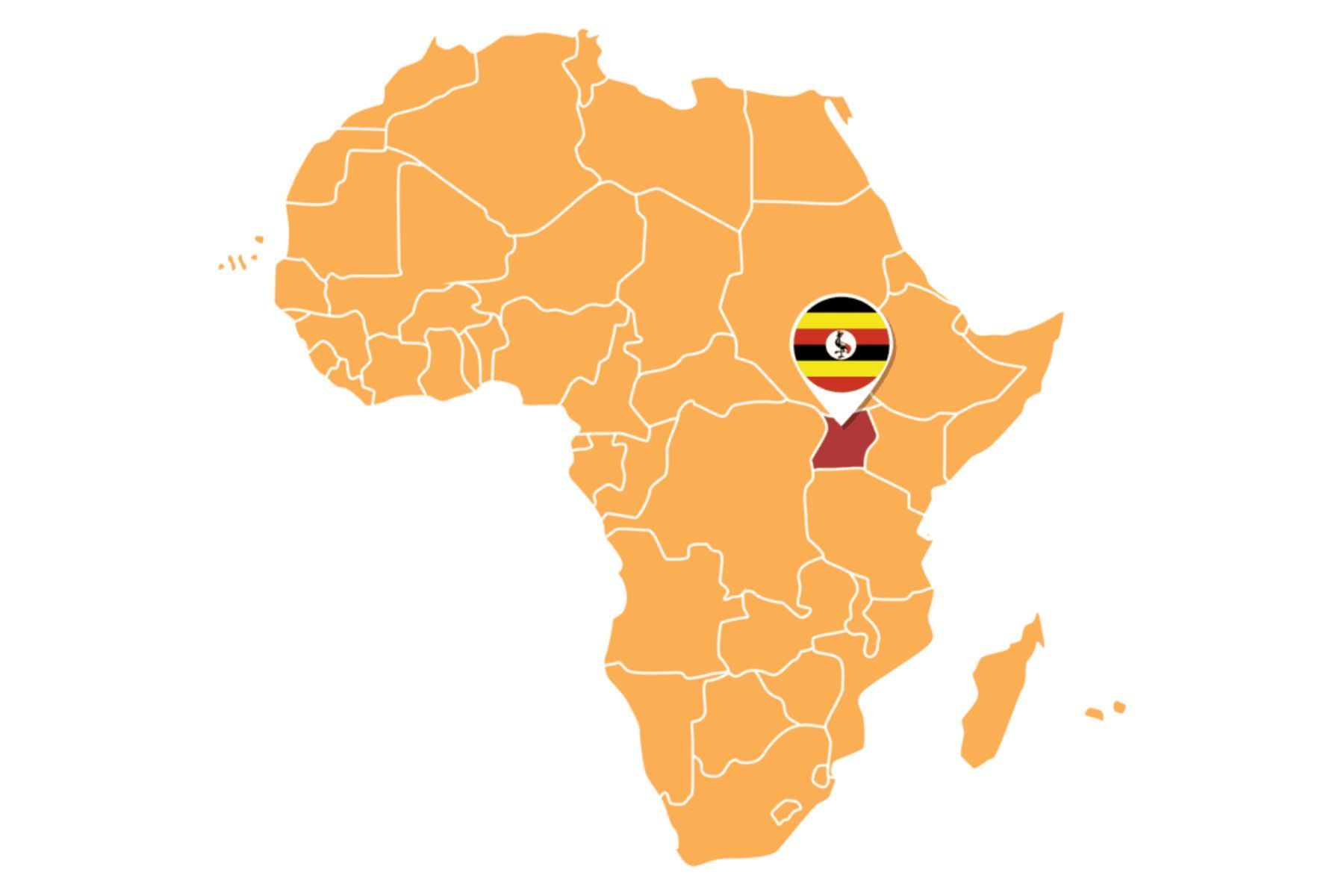
Our Uganda Home
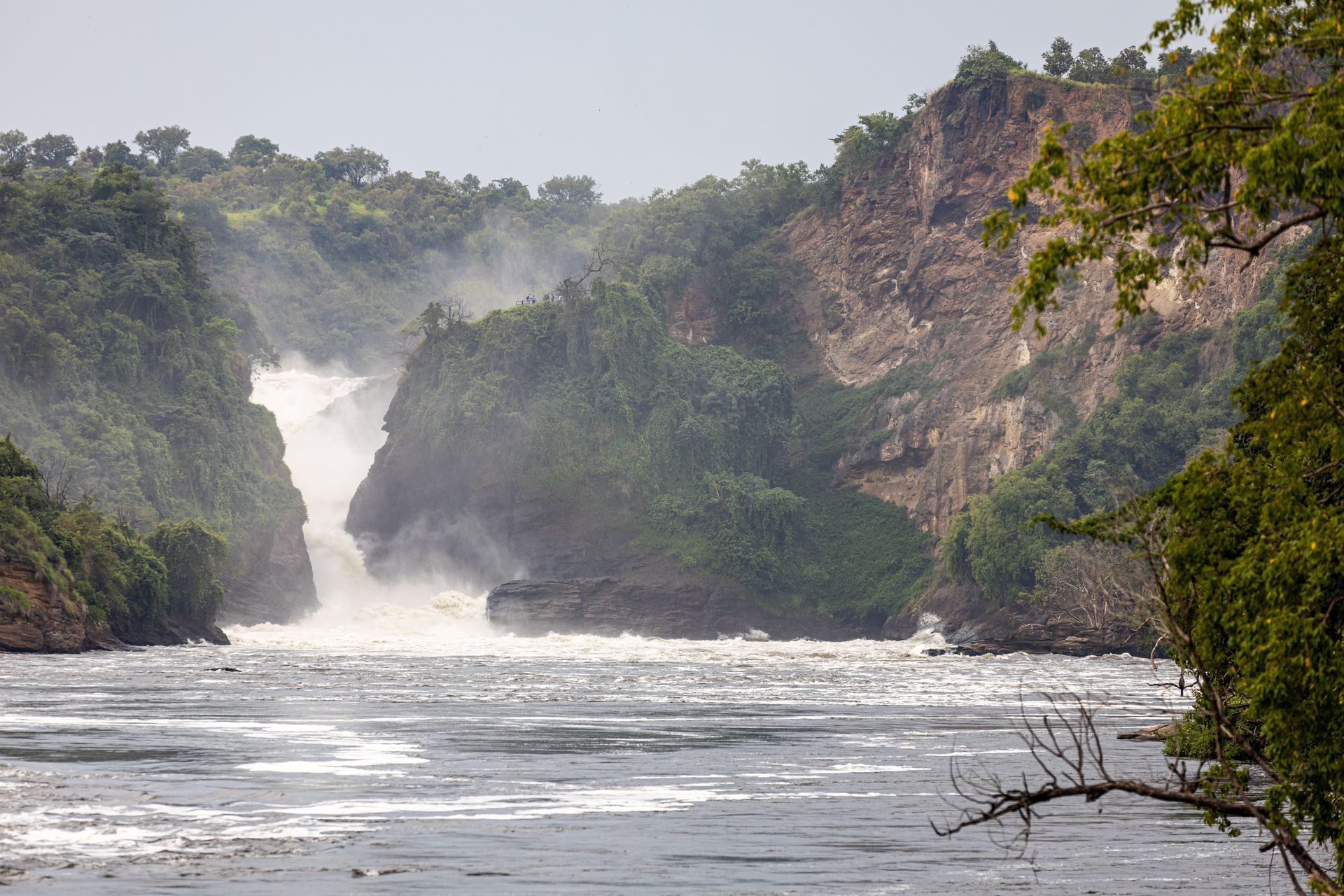
In the last 100 years, Uganda has lost nearly half of its forests due to extreme deforestation, leading to the destruction of ecosystems, soil erosion, water scarcity, and massive biodiversity loss. Further, unregulated waste disposal threatens Uganda’s famous Lake Victoria and the Nile River Basin, and Uganda’s capital city of Kampala has air pollution 12 times higher than the UN safety standards. These challenges emerge from the legacies of four decades of violent conflict and the AIDS/HIV epidemic, both of which claimed the lives of hundreds of thousands of Ugandans.
Environmental destruction affects Uganda's poor the most––as the majority rely on agriculture for their livelihoods––and intersects with poverty and food insecurity. 22% of Uganda's population is undernourished; 60% live on less than $3 USD per day; and 30% of skilled young adults can't find a job. These conditions force youth into environmentally degrading livelihoods like the timber trade, charcoal production, or brick making. In Uganda and across Africa, chronic depletion of the environment and widespread poverty grow in a mutually reinforcing cycle.
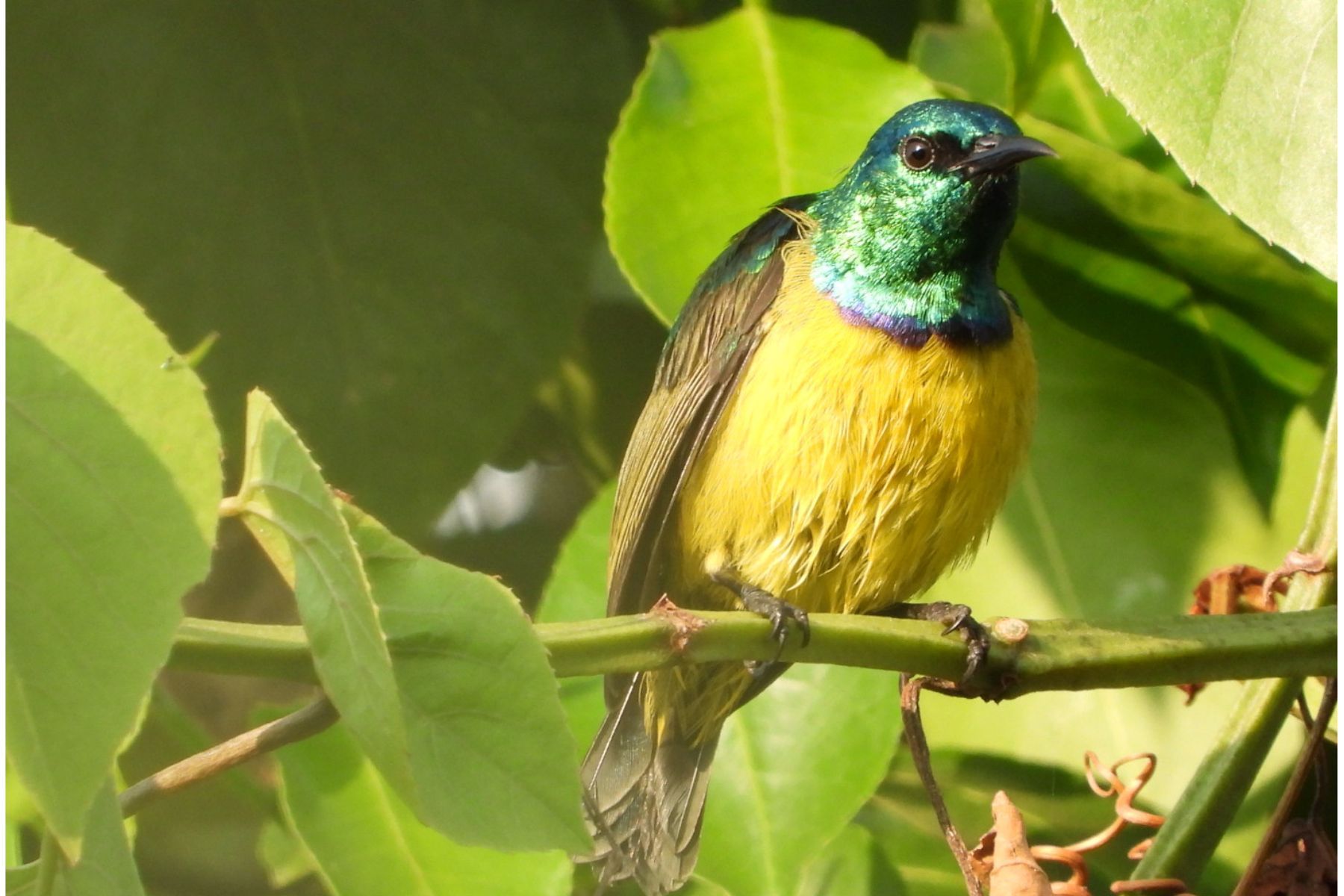
As these challenges were cause by human activities, BLI is confident that human activities can reverse these effects and protect Uganda’s biodiversity and rich natural resources. Uganda is home to 10% of the world's birds and more than half of the world's mountain gorillas. It is also home to the second youngest population in the world, with over 40% of Ugandans being under the age of 14.
Formed by three Ugandan priests and enacted by a team of native Ugandans, BLI's mission is to cultivate the next generation of Ugandan leaders. Using a grassroots, community-driven approach to form leaders in Integral Ecology, BLI believes that rural transformation cannot be given––it must be
catalyzed
by local caretakers who understand the challenges facing their communities and who innovate holistic solutions that combat poverty, protect nature, and restore human dignity.
Hope is alive in Uganda.
Why "Bethany" Land Institute?
From the biblical stories, Bethany was a place of refuge where Jesus often returned to teach, rest, and find comfort among friends. It was home to the poor, including Jesus's friends Mary, Martha, and Lazarus. Bethany Land Institute––and its core hubs of Mary's School, Martha's Market, and Lazarus' Forest––is named after this biblical village and its residents. Just like the village of Bethany, BLI welcomes all people, many of whom come from the surrounding poor communities, to learn, rest, find friends, and develop a spiritual connection to the land.